
Offshore Talent Evolves with AI & Tech: Insights from Meet Me For Coffee
In business, change is the only constant, and few areas have seen a transformation as rapid and significant as Offshore Talent solutions. For years, outsourcing was seen as a simple cost-saving measure, often associated with limited capabilities. But that perception is outdated. Today, the convergence of advanced technology, especially Artificial Intelligence (AI), and a sophisticated global workforce has created a new standard for Offshore Talent.
This evolution was recently discussed at the Manifest conference during a live session of the “Meet Me For Coffee” podcast between industry expert Samantha Jones and Valoroo CEO Nick Schrock. They discussed the dramatic transformation of the Offshore Talent landscape over the past five years and how advancements in AI and technology are actively reshaping it.
If your company is navigating rising labor costs, talent shortages, or the need for operational efficiency, understanding these shifts in Offshore Talent is crucial. We’re moving beyond transactional outsourcing to a model of strategic partnership. This article will explore the dramatic changes happening right now and how forward-thinking businesses are leveraging them to achieve unprecedented growth.
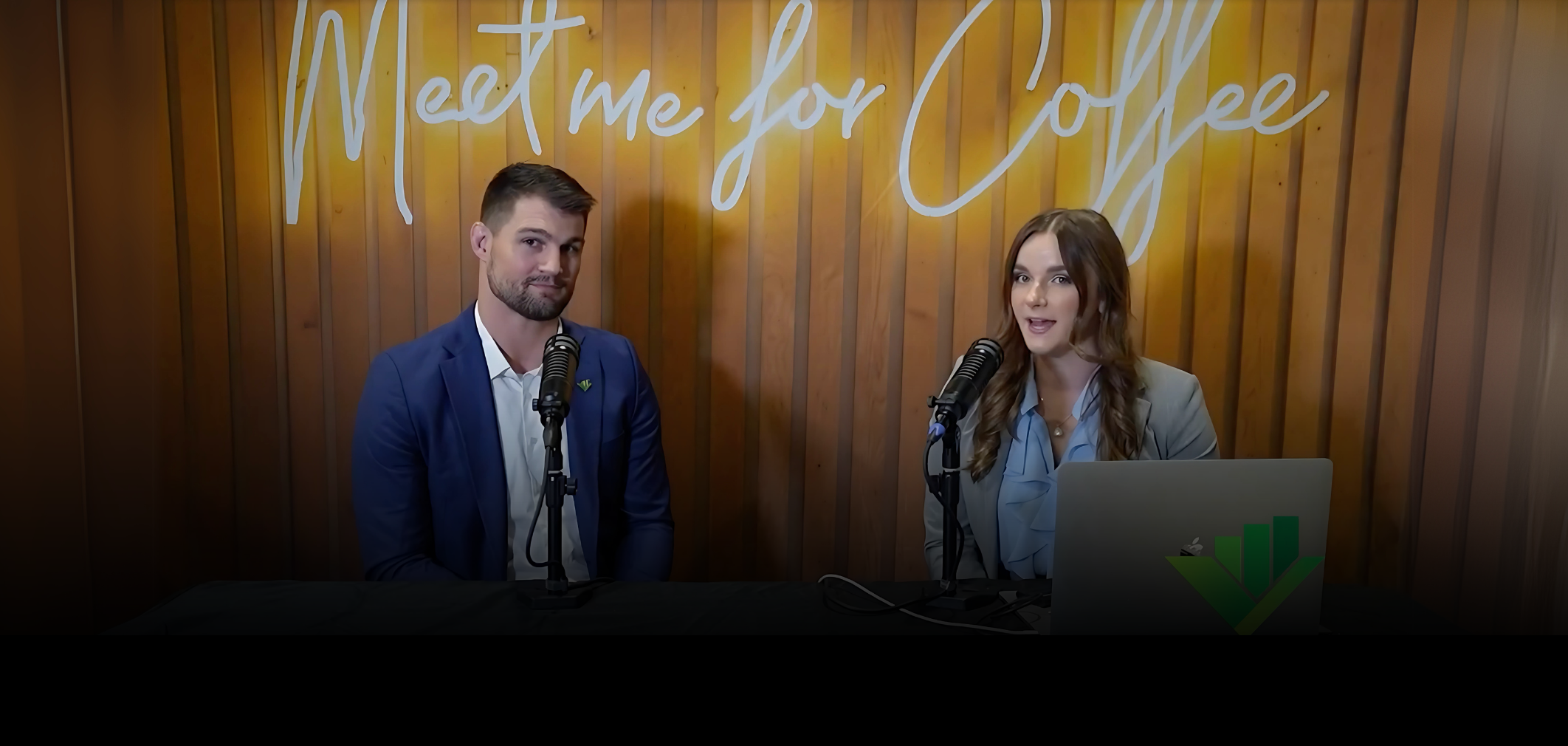
🎙️ Want to hear the full conversation? Listen to Nick Schrock and Samantha Jones discuss the future of the global workforce:
https://www.linkedin.com/events/offshoretalentevolvesastechnolo7295296824590880768/about/
The Evolving Landscape of Offshore Talent and AI’s Role
The past five years have completely redefined what Offshore Talent means. It’s no longer just about filling seats; it’s about accessing specialized expertise and scalable operations that are competitive on a global level.
From Cost Center to Growth Engine
The initial driver for offshoring was primarily reducing operational expenditure. While cost savings remain a major benefit, the focus has shifted to value creation. Companies are now strategically leveraging nearshore and Offshore Talent for functions that directly contribute to growth, such as technical support, supply chain optimization, and specialized financial services.
AI: The Great Enabler for Offshore Talent
Artificial Intelligence and automation technologies aren’t replacing Offshore Talent; they’re redefining their roles. AI is taking over repetitive, low-value tasks, which has had two major effects on the Offshore Talent workforce:
-
- Increased Efficiency: Tasks like data entry, basic customer service routing, and administrative back-office operations are now automated, making Offshore Talent solutions more efficient and accessible for businesses of all sizes.
- Upskilling and Value: Offshore Talent professionals are shifting their focus to higher-value activities—complex problem-solving, strategic analysis, and specialized technical support—making them indispensable partners rather than just low-cost labor. The modern Offshore Talent team is more skilled, more integrated, and armed with better tools than ever before. For a deeper dive into the technical shifts, an analysis by the
World Economic Forum Report on Future of Work
Shifting from Old Outsourcing Fears to Modern Strategic Advantages (
When exploring nearshore vs. Offshore Talent solutions, companies often grapple with common concerns—specifically, fears about quality control, communication, and loss of organizational culture. Modern, process-driven staffing firms address these head-on.
Overcoming Common Objections to Offshore Talent
-
- Myth: Loss of Control.
- Reality: Today’s best providers integrate deeply with your internal structure, using sophisticated project management and communication tools that provide real-time visibility and control.
- Myth: Communication Barriers.
- Reality: English proficiency and cultural alignment have become standard benchmarks for top global talent markets. Furthermore, companies utilize nearshore (e.g., Latin America) for closer time zones, eliminating the old “night shift” issue.
- Myth: Compromised Quality.
- Reality: The new model emphasizes sourcing highly educated, specialized professionals. This is a critical factor when dealing with functions like
The Strategic Power of Staff Solutions for Modern Businesses
- Reality: The new model emphasizes sourcing highly educated, specialized professionals. This is a critical factor when dealing with functions like
- Myth: Loss of Control.
Key Benefits for a Competitive Edge with Offshore Talent
The businesses succeeding today view Offshore Talent not as a contingency plan, but as a strategic asset that provides:
-
- Agile Scalability: Quickly expanding or contracting teams based on market demand without the overhead of domestic hiring.
- 24/7 Operations: Leveraging different time zones to ensure continuous workflow, customer support coverage, and faster project completion.
- Access to Niche Talent: Tapping into global pools for specific skills (like niche programming languages or specialized logistics expertise) that may be scarce or overly expensive domestically.
How Valoroo Helps You Navigate the Future of Workforce Solutions
The landscape is complex, but navigating it doesn’t have to be. For businesses ready to move from old-school outsourcing to a modern, strategic Offshore Talent solution, Valoroo provides the essential expertise and framework.
Valoroo’s approach is designed to eliminate the risks and maximize the strategic benefits:
-
Pre-Vetted Global Talent Pool: We focus on sourcing high-caliber professionals with specialized skills in areas like logistics, accounting, tech support, and back-office operations.
-
Efficiency Through Technology: Our processes are built on modern automation tools, ensuring that your outsourced operations are streamlined, transparent, and integrated seamlessly with your existing technology stack.
-
Focus on Cultural Alignment: We prioritize candidates who are not only skilled but also align with your company’s values, ensuring smooth team integration and effective long-term partnerships.
-
Strategic Growth Consulting: We help you identify the best roles to outsource for maximum ROI, shifting your perspective to where Offshore Talent can most effectively drive growth, not just save costs.
Frequently Asked Questions (FAQ)
Q1: What is the main difference between nearshore and offshore outsourcing?
A: Offshore typically refers to countries further away, often in Asia (e.g., the Philippines), and is primarily driven by maximum cost savings. Nearshore refers to neighboring countries (e.g., Latin America for the US) and is often chosen for closer time zone alignment and cultural proximity, offering a balance of savings and operational ease.
Q2: What roles are most commonly and successfully outsourced today?
A: High-volume, repeatable tasks are still common, but the fastest-growing outsourced roles include specialized back-office operations, logistics and supply chain management, accounting/bookkeeping, and complex technical support.
Q3: Is AI a threat to offshore workers?
A: No, AI is a tool that elevates the offshore workforce. By automating repetitive tasks, AI allows skilled offshore professionals to focus on higher-level problem-solving and strategic work, increasing their value and making the overall outsourcing solution more robust.
Conclusion
The evolution of Offshore Talent solutions, fueled by technological advancements and AI, presents a clear pathway for businesses seeking both efficiency and competitive advantage. The old model of transactional, low-cost labor is gone, replaced by a strategic framework for accessing highly skilled, globally diverse professionals.
By embracing this shift, you’re not just cutting costs; you’re future-proofing your operations and unlocking unparalleled scalability. If you are ready to stop thinking of outsourcing as a risk and start leveraging it as a dynamic growth strategy, Valoroo is here to help you navigate this new era of global talent and achieve your strategic objectives.
Related Posts
Learn what makes our dedicated team model different and why it succeeds.
Locations
Address: 10350 N McCarran Blvd #1112. Reno, NV 89503
Phone: (858) 251-1210
Email: info@valoroo.com