
Manufacturing Supply Chain: Improve Operations Without Hiring
Why the Manufacturing Supply Chain Is Under Pressure
The manufacturing supply chain is becoming increasingly difficult to manage as companies balance inbound logistics, supplier coordination, and production timelines under rising cost pressure. For many manufacturers, the issue is no longer planning—it is maintaining execution across complex workflows without expanding headcount.
As shipment volumes increase, manufacturing supply chain management becomes more fragmented. Teams must track inbound freight, update ERP and TMS systems, and coordinate with multiple carriers—all while ensuring production schedules remain uninterrupted.
This creates a widening execution gap. And in most cases, hiring more people only increases cost and complexity without solving the core issue.
Get a Free, No-Obligation Quote
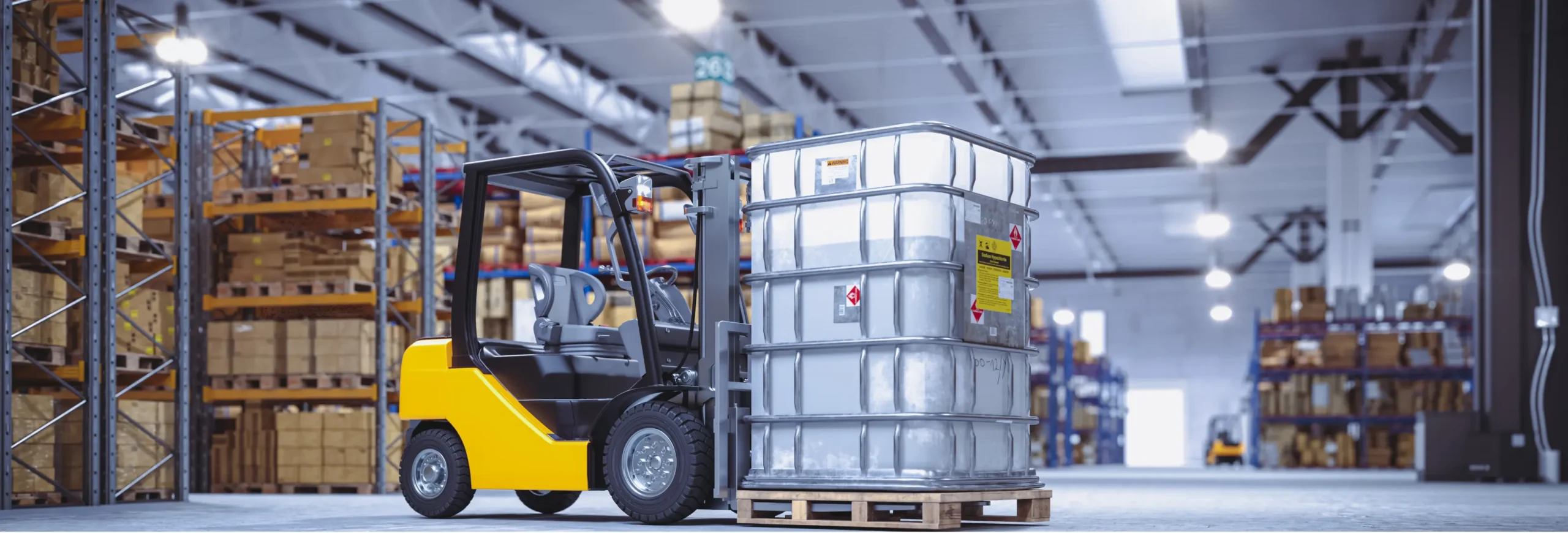
Data Showing the Growing Strain in the Manufacturing Supply Chain
The strain on the manufacturing supply chain is supported by industry data:
-
- According to the U.S. Bureau of Labor Statistics, logistics-related labor costs have steadily increased, making it more expensive to scale internal teams.
- A McKinsey report highlights that supply chain complexity continues to grow due to global sourcing, multi-tier suppliers, and disruption risks.
The Council of Supply Chain Management Professionals (CSCMP) identifies visibility gaps and manual workflows as key challenges in modern supply chain operations.
These trends directly impact manufacturing logistics operations, forcing companies to rethink how execution is handled.
For a deeper understanding of logistics outsourcing as a strategy:
What is Logistics Outsourcing? (Definition + Benefits)
Why Traditional Solutions Fail in the Manufacturing Supply Chain
Hiring More Staff Increases Fixed Costs
Expanding internal teams increases payroll, onboarding time, and management overhead. It also introduces risk when demand fluctuates.
Technology Alone Cannot Solve Execution Gaps
ERP and TMS platforms improve visibility, but they still require human input—shipment tracking, system updates, and exception handling.
Overloading Internal Teams Reduces Efficiency
As responsibilities increase, internal teams become overwhelmed, leading to delays, errors, and reduced operational consistency.
Even with strong systems, manufacturing supply chain management still depends heavily on execution capacity.
Where Execution Breaks Down in the Manufacturing Supply Chain
To improve the manufacturing supply chain, it’s critical to identify execution bottlenecks.
Most workflows include:
-
- Inbound shipment tracking and supplier coordination
- Carrier communication and appointment scheduling
- ERP and TMS data entry
- Exception handling (delays, shortages, disruptions)
- Internal coordination with production teams
These repetitive but essential tasks form the execution backbone of the manufacturing supply chain.
As operations scale, these workflows create friction—reducing visibility and slowing down decision-making.
Track and trace plays a key role in maintaining visibility:
Track and Trace in Logistics
Manufacturing Supply Chain Execution Models Compared
|
Factor |
Internal Hiring |
Operational Reinforcement Model |
|
Cost Structure |
Fixed payroll |
Flexible, scalable |
|
Ramp Time |
Slow onboarding |
Fast setup (7–10 days) |
|
Scalability |
Limited |
High |
|
Visibility |
Dependent on capacity |
Consistent |
|
Risk |
High (turnover, inefficiency) |
Lower |
|
Team Focus |
Operational tasks |
Strategic oversight |
This comparison highlights how companies can strengthen their manufacturing supply chain without increasing internal headcount.
Evaluate Your Manufacturing Supply Chain Costs
Use Valoroo’s ROI calculator to compare internal hiring vs scalable operational support and identify cost-saving opportunities.
Operational Support Beyond Phone Answering
Some virtual receptionist providers extend beyond simple call answering and support broader operational workflows.
Additional services may include:
-
- CRM data entry for new leads
- Customer service support
- Dispatch coordination assistance
- Follow-up communication with customers
This type of operational support helps moving companies stay organized while focusing on job execution and logistics
A Smarter Approach to Manufacturing Supply Chain Execution
The real issue in the manufacturing supply chain is not the lack of systems—it is the lack of execution capacity.
Manufacturers need consistent support for:
- shipment tracking
- carrier coordination
- ERP and TMS updates
- exception handling
Valoroo provides structured operational support that reinforces manufacturing supply chain operations without adding fixed overhead.
Instead of replacing internal teams, this approach extends them—allowing companies to maintain control while improving efficiency.
Learn more about logistics operations support:
AI-Enabled Logistics Operations, Built for Scale
Manufacturing Supply Chain FAQs
What is a manufacturing supply chain?
A manufacturing supply chain refers to the end-to-end process of sourcing raw materials, managing inbound logistics, coordinating suppliers, and ensuring production flows efficiently. It includes planning, execution, and continuous monitoring of shipments, inventory, and supplier performance to maintain operational stability.
Why is the manufacturing supply chain becoming more complex?
The manufacturing supply chain is becoming more complex due to global sourcing, multi-tier supplier networks, rising labor costs, and increased demand for real-time visibility. These factors create additional layers of coordination and execution, making it harder for internal teams to maintain efficiency and control.
How can manufacturers improve supply chain efficiency without hiring more staff?
Manufacturers can improve supply chain efficiency by optimizing workflows and adding operational support for repetitive tasks such as shipment tracking, data entry, and carrier communication. This allows internal teams to focus on strategic decisions while maintaining execution quality.
What role does visibility play in manufacturing supply chain performance?
Visibility ensures that manufacturers can track shipments, anticipate delays, and align production schedules with inbound deliveries. Without visibility, disruptions can lead to downtime, missed deadlines, and increased operational costs.
Is outsourcing a reliable strategy for manufacturing supply chains?
When structured properly, outsourcing provides scalable operational support without increasing fixed costs. It allows manufacturers to maintain flexibility, improve execution consistency, and adapt to changing demand without overextending internal teams.
Strengthening the Manufacturing Supply Chain Without Adding Headcount
The manufacturing supply chain is no longer defined by planning alone—it is defined by execution.
As complexity increases, manufacturers that maintain visibility, control, and efficiency without expanding internal teams will gain a significant competitive advantage.
If your manufacturing supply chain is becoming harder to manage, it may be time to rethink how execution is structured and explore a more scalable approach.
We know that finding the right people is essential to your success. That’s why we’re here to help.
Address
10350 N McCarran Blvd #1112
Reno, NV 89503
Phone
(858) 251-1210
Related Posts

Summer Kickoff with Valoroo!
Summer Kickoff with Valoroo!Valoroo Reunites: Regional Meet and Greets Rekindle Connections.At Valoroo, we believe in fostering a robust in-person connection within our remote team. That's why we recently hosted a series of exciting regional meet and greet events...

Freight Waves FSC 2023
Freight Waves On June 21-22, Valoroo attended the Freight Waves Future of Supply Chain conference in Cleveland, Ohio. The event brought companies across the logistics industry together to discuss how to digitally transform the management of their supply chains....
Manifest 2023 Recap
Manifest 2023 - RecapOur founder, Nick Schrock spoke on a thought-provoking panel alongside Grant Goodale of Convoy, Eric Johnson of JOC.com, Dawn Salvucci-Favier of Greenscreens.ai, and Harpinder Singh of Innovation Endeavors, where they discussed logistics networks...
Locations
Address: 10350 N McCarran Blvd #1112. Reno, NV 89503
Phone: (858) 251-1210
Email: info@valoroo.com